

2027: Nwokeabia Advocates People-Centred Representation for Aninri, Awgu and Oji River
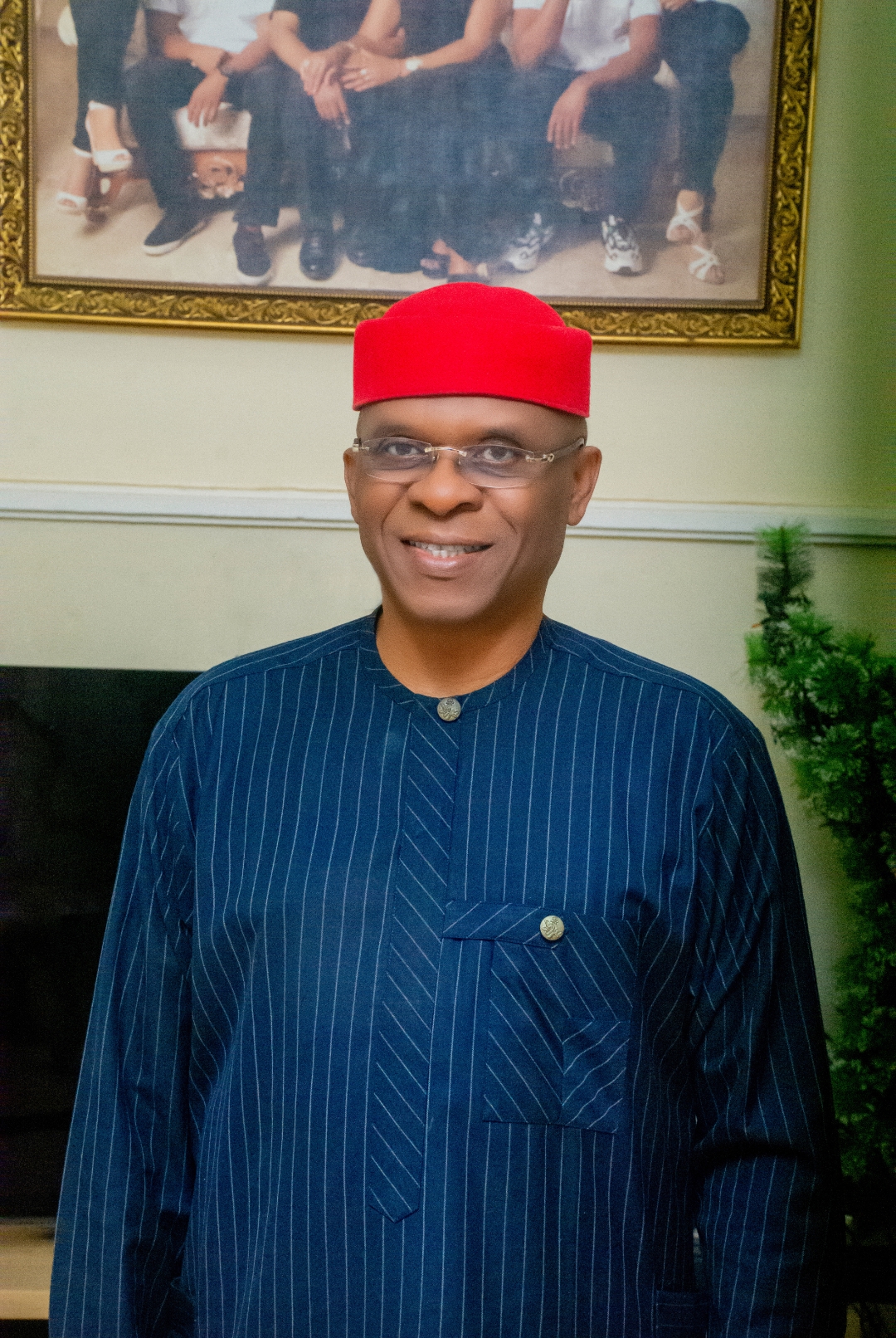

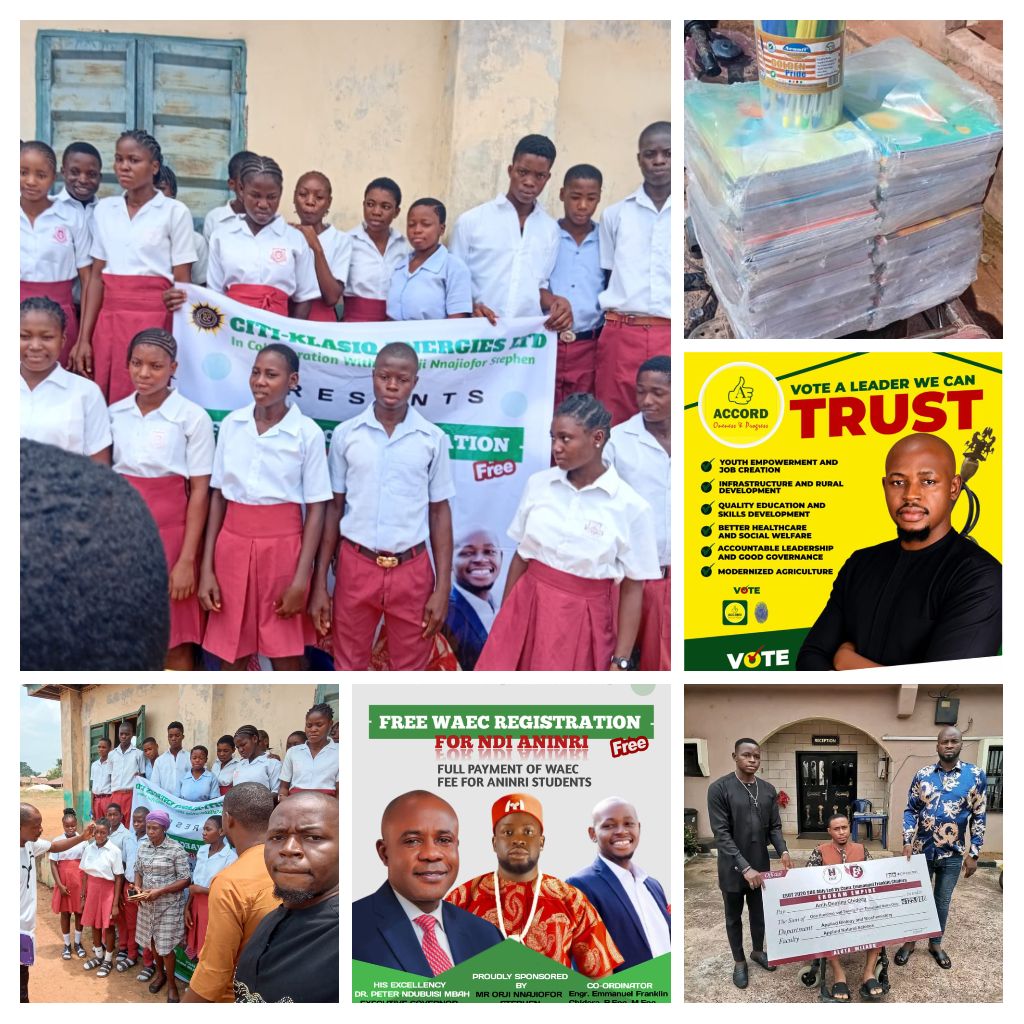
As political activities gradually gather momentum ahead of the 2027 general elections, Hon. Dr. John Nwokeabia is positioning people-centred representation, inclusive development, and accountability as key priorities in his aspiration to represent Aninri, Awgu, and Oji River Federal Constituency in the House of Representatives.
The conversation surrounding representation in the constituency is increasingly centred on a fundamental question: how can the office of a federal lawmaker translate into tangible improvements in the lives of ordinary people?
For many residents across Aninri, Awgu, and Oji River, the expectations of federal representation extend beyond political visibility and election-season promises. They include improved access to federal opportunities, effective legislative engagement, infrastructure development, youth empowerment, educational support, and sustained communication between elected representatives and their constituents.
It is against this backdrop that Nwokeabia's campaign is seeking to place the interests of the people at the centre of the 2027 electoral conversation.
At the heart of Nwokeabia's campaign message is the argument that political representation should be measured by its impact on the people rather than the frequency of political appearances or the strength of campaign rhetoric.
The aspiration presents an opportunity to engage constituents on the issues that directly affect their daily lives, from the condition of rural roads and access to healthcare to educational advancement, agricultural development, and employment opportunities for young people.
For communities across the constituency, effective representation also means having a representative who understands local challenges and can consistently raise them before the relevant institutions of the Federal Government.
The House of Representatives provides a platform for lawmaking, budgetary oversight, representation of constituents, and engagement with federal ministries and agencies. A representative who uses these responsibilities strategically can help draw attention to neglected communities, advocate for public projects, and pursue opportunities capable of improving local living conditions.
For Nwokeabia, the central campaign question is therefore how federal representation can become more responsive to the practical needs of the people.
Although Aninri, Awgu, and Oji River have distinct community interests and development priorities, residents across the three local government areas share many common expectations.
These include better road networks, improved educational facilities, access to quality healthcare, economic opportunities, and a stronger voice in decisions affecting their communities.
In rural settlements, the condition of roads can influence the cost of transporting agricultural produce, access to markets, and the ability of residents to reach schools and healthcare facilities. Similarly, inadequate infrastructure and limited economic opportunities can make it difficult for young people to build sustainable livelihoods within their communities.
A people-centred representative would need to understand these challenges, consult widely, and pursue practical interventions through legislative advocacy, constituency engagement, and collaboration with relevant government institutions.
Nwokeabia's aspiration offers an opportunity to make these concerns central to the debate over who should represent the constituency in the next National Assembly.
The underlying message is that no community should feel forgotten and that the interests of one local government area should not automatically take precedence over those of another.
Youth development is another critical issue in the constituency's political conversation.
With many young people seeking employment, vocational opportunities, and pathways to economic independence, the next federal representative will face growing expectations to help connect constituents with programmes and opportunities available through government agencies and other legitimate institutions.
A people-oriented approach could include advocating for accessible skills-acquisition programmes, supporting vocational and entrepreneurship initiatives, facilitating information about federal scholarships and training opportunities, and engaging relevant institutions to improve access to employment programmes.
Such initiatives would require more than announcements. They would benefit from transparent application processes, clear eligibility requirements, fair access across the three local government areas, and regular communication about available opportunities.
For Nwokeabia, youth empowerment can become an important part of a broader representation agenda that recognises young people not merely as campaign supporters but as active participants in the constituency's economic and social development.
Education and healthcare remain essential indicators of community development.
Across the constituency, the needs of schools, students, health facilities, and vulnerable households deserve sustained attention from political representatives and relevant public institutions.
A representative committed to people-centred service can advocate for improved federal interventions in education and healthcare, support efforts to attract development projects to underserved communities, and help constituents navigate legitimate government support programmes.
Educational support, including transparent scholarship opportunities and assistance for students from disadvantaged backgrounds, could also form part of a practical constituency development agenda.
In healthcare, effective advocacy may involve engaging relevant agencies over the rehabilitation or upgrading of eligible facilities, improved access to essential services, and programmes addressing the needs of rural communities.
However, such commitments must be accompanied by realistic plans, appropriate funding arrangements, and collaboration with the institutions responsible for implementation.
The objective should be to move beyond broad promises and establish clear priorities that constituents can monitor over time.
Another important expectation ahead of the 2027 election is accountability.
For many constituents, effective representation should not end with electoral victory. It should involve regular communication, community consultations, feedback mechanisms, and an explanation of what the representative has pursued on behalf of the people.
An accessible representative should be willing to listen to concerns from traditional institutions, community development associations, youth organisations, women, professionals, farmers, traders, and other groups whose experiences can help shape legislative priorities.
Regular constituency meetings and public updates on legislative activities, motions, bills, budgetary interventions, and constituency projects could help strengthen public confidence.
Equally important is the need for fairness in the distribution of opportunities. Constituents should be able to understand how beneficiaries are selected for empowerment programmes and how development priorities are identified across Aninri, Awgu, and Oji River.
For Nwokeabia, making accountability a defining feature of his campaign would provide an opportunity to demonstrate that representation is a public responsibility requiring openness, consistency, and measurable objectives.
The position of a member of the House of Representatives comes with specific constitutional responsibilities. While federal lawmakers can introduce and support legislation, scrutinise public expenditure, participate in national policy debates, and advocate for constituency interests, the implementation of many development projects depends on the executive branch, relevant agencies, budgetary approvals, and available public resources.
A credible campaign must therefore distinguish between what a federal legislator can directly undertake and what requires sustained advocacy or cooperation with other institutions.
For Aninri, Awgu, and Oji River, this distinction is important when discussing road construction, healthcare infrastructure, education, agricultural development, and employment opportunities.
A practical representation agenda should identify priority projects, establish channels for engaging responsible agencies, monitor approved interventions, and communicate progress to constituents.
This approach would provide a more meaningful basis for evaluating candidates than promises that overlook the institutional and financial realities of public administration.
As the 2027 general elections approach, the contest for Aninri, Awgu, and Oji River Federal Constituency presents an opportunity for residents to examine the ideas, experience, commitments, and preparedness of those seeking their mandate.
For Hon. Dr. John Nwokeabia, the challenge is to translate the message of people-centred representation into a clear and credible programme that addresses the constituency's priorities.
That means listening to communities, identifying urgent needs, presenting realistic proposals, and explaining how progress would be pursued and measured if entrusted with the mandate.
It also means recognising that the constituency comprises diverse communities whose interests must be considered fairly, irrespective of political affiliation, location, age, or social background.
Ultimately, the strength of any campaign lies not only in its message but also in the clarity of its commitments and the willingness of its candidate to be held accountable.
The 2027 election will give voters across Aninri, Awgu, and Oji River an opportunity to assess the candidates seeking to represent them at the National Assembly.
For Nwokeabia, the message is that representation should begin with the people, respond to their concerns, and remain accountable to them throughout the tenure.
Whether this aspiration translates into electoral support will depend on the candidate's engagement with constituents, the credibility of his proposals, and his ability to demonstrate how his approach would address the constituency's most pressing challenges.
As political conversations continue, one principle remains clear: the people deserve representation that listens, communicates, pursues practical solutions, and treats public office as a responsibility rather than a privilege.
For Aninri, Awgu, and Oji River, the 2027 debate should therefore be about more than who wins an election. It should be about the kind of representation the constituency needs and the standard of service voters are prepared to demand from whoever receives their mandate.
In the final analysis, people-centred representation must be demonstrated through action, transparency, inclusion, and a sustained commitment to the public interest. These are the standards against which every aspiration for the Federal House of Representatives should ultimately be assessed.
Leave a Reply
Your email address will not be published. Required fields are marked *