

The Reason Behind the Mass Exodus of Aninri People to Other Political Parties
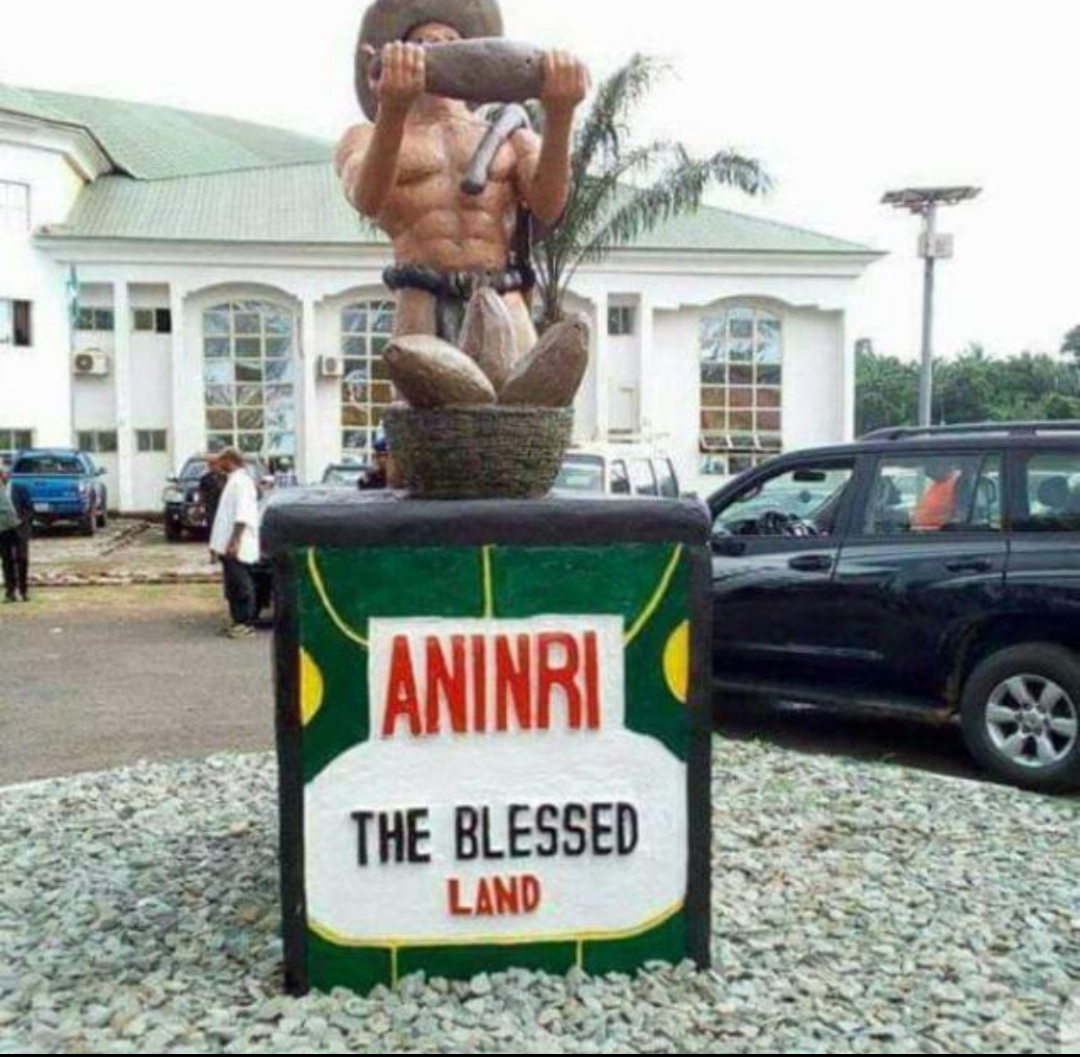

Politics is built on trust, fairness, competence, and inclusion. Once these foundations are ignored, the people naturally begin to seek alternatives. The growing movement of many politically active stakeholders and supporters in Aninri to other political parties did not happen overnight. It is the result of accumulated dissatisfaction, frustration, and disappointment with the current political direction in the local government.
One of the major reasons behind this political exodus is the imposition and wrong endorsement of candidates by powerful political authorities. Democracy is meant to reflect the will of the people, not the decision of a few individuals behind closed doors. When candidates are forced on the people without proper consultation with party faithful and grassroots stakeholders, it weakens confidence in the system. Many loyal supporters who sacrificed for the growth of the party now feel sidelined, ignored, and politically abandoned.
Another critical issue fueling the crisis is the failure to maintain the zoning formula that has long helped preserve balance, fairness, and unity within Aninri politics. Zoning was established as a strategic political arrangement to ensure that every section of the local government has a sense of belonging and equal opportunity. Once such agreements are neglected or manipulated, feelings of marginalization emerge. Many citizens now believe that political equity is gradually disappearing, leading to bitterness and division across various communities.
The issue of competence among endorsed candidates has also become a serious concern among the people. Leadership is not just about loyalty or political connections; it is about capacity, vision, experience, and the ability to deliver democratic dividends to the people. Many residents believe that some endorsed candidates lack the political strength, grassroots acceptance, and intellectual capacity needed to effectively represent the interests of Aninri. This has weakened enthusiasm within the party structure and pushed many supporters toward other parties where they believe credible and capable leaders can emerge.
Furthermore, many youths and grassroots mobilizers feel disconnected from the decision-making process. The voices of ward leaders, women groups, youths, and community stakeholders appear to be increasingly ignored. Politics cannot thrive where consultation is absent. The strength of any political structure lies in the participation and confidence of the grassroots, not merely in elite endorsements.
The current political atmosphere in Aninri serves as a warning sign that leadership must return to the principles of fairness, inclusiveness, merit, and respect for established political agreements. If urgent steps are not taken to rebuild trust and reconnect with the grassroots, the wave of defections and political resistance may continue to grow stronger ahead of future elections.
The people of Aninri desire competent leadership, transparent political processes, respect for zoning, and candidates who genuinely understand their struggles and aspirations. Any political party that fails to listen to the voice of the people risks losing both its structure and its supporters.
Leave a Reply
Your email address will not be published. Required fields are marked *